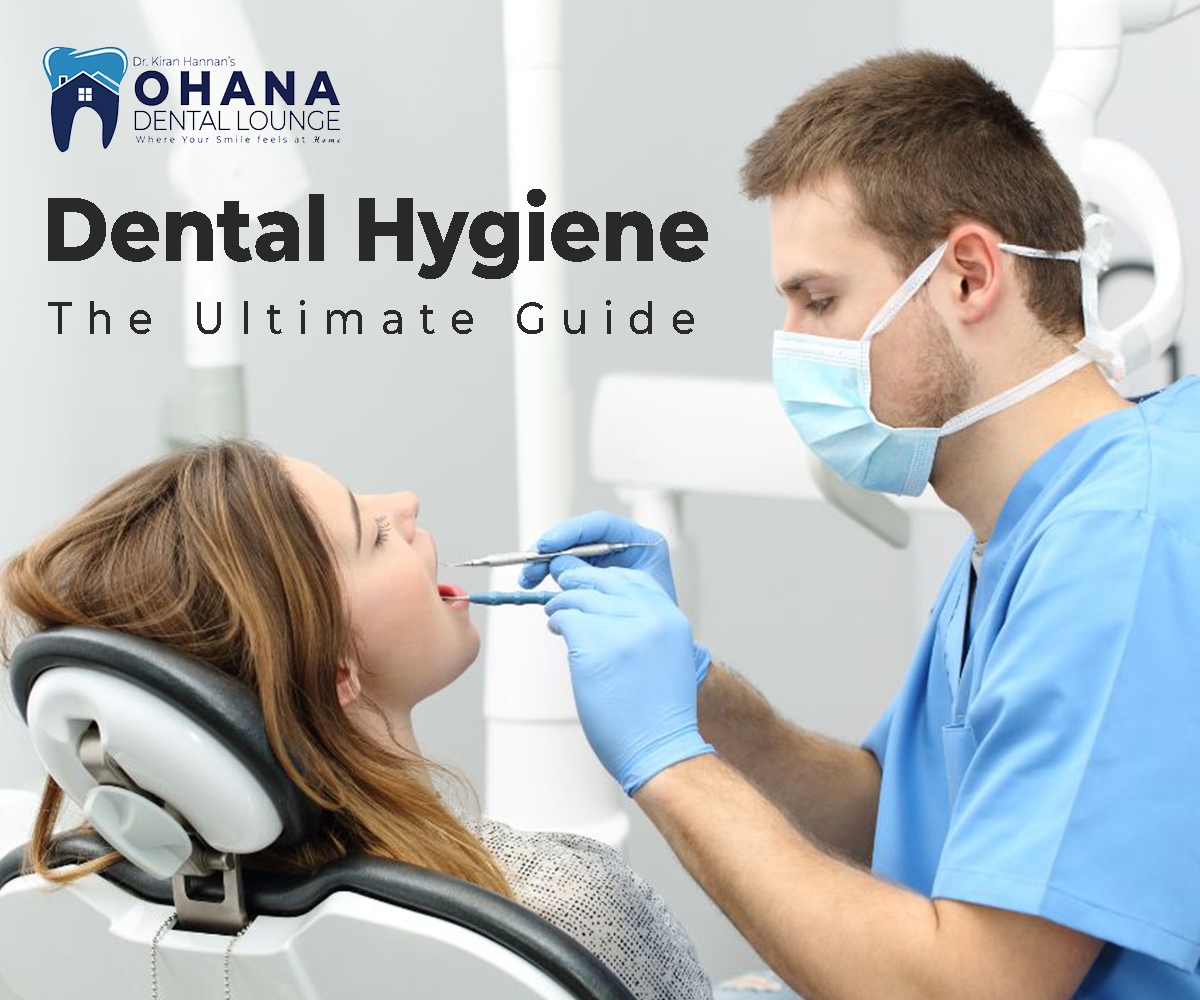
Good dental hygiene is about more than just having a bright smile—it’s a key part of your overall health. Poor oral care can lead to cavities, gum disease, bad breath, and even contribute to serious health conditions like heart disease and diabetes. The good news? A few simple daily habits can make a huge difference.
Let’s break down everything you need to know to keep your teeth and gums healthy for life.
“Good dental hygiene is about more than just having a bright smile.” Proverb
Why Dental Hygiene Matters
Your mouth is home to millions of bacteria. While many are harmless, others can cause plaque buildup—a sticky film that forms on your teeth. If plaque isn’t removed regularly, it can harden into tartar and lead to:
Tooth decay (cavities)
Gum disease (gingivitis and periodontitis)
Persistent bad breath
Tooth loss
Maintaining good oral hygiene helps prevent these issues and keeps your smile strong and confident. the best spine and various joints of the body, with deep breathing, and without violent movement of the muscles.
The Foundations of Good Oral Care
1. Brush Twice a Day (The Right Way)
Brushing removes plaque and food particles from your teeth. To do it effectively:
- Use a soft-bristled toothbrush
- Brush for at least two minutes
- Hold the brush at a 45-degree angle toward your gums
- Use gentle, circular motions
- Don’t forget your tongue
For best results, use a fluoride toothpaste. Brands like Colgate and Crest offer fluoride options that help strengthen enamel and protect against cavities.
2. Floss Daily
Brushing alone can’t reach between your teeth. Flossing removes plaque and debris from these tight spaces, helping prevent gum disease and cavities.
If traditional floss is difficult to use, floss picks or water flossers are great alternatives.
3. Use Mouthwash (Optional but Helpful)
An antibacterial mouthwash can reduce plaque, fight bad breath, and strengthen enamel if it contains fluoride. While not a replacement for brushing and flossing, it’s a helpful addition to your routine.
4.Nutrition and Your Teeth
What you eat plays a major role in your oral health.
Foods That Help:
- Crunchy fruits and vegetables (apples, carrots)
- Dairy products (milk, cheese, yogurt)
- Nuts and leafy greens
- Water (especially fluoridated water)
Foods to Limit:
- Sugary snacks and drinks
- Sticky candies
- Soda and sports drinks
- Frequent snacking throughout the day
Sugar feeds harmful bacteria, which produce acids that attack your enamel. The less often your teeth are exposed to sugar, the better.
5.Visit Your Dentist Regularly
Even with perfect brushing and flossing, professional cleanings are essential. Most dentists recommend a check-up every six months.
Regular visits help:
- Remove hardened tartar
- Detect cavities early
- Screen for oral cancer
- Monitor gum health
Preventive care is always easier—and less expensive—than treating advanced dental problems.
6.Signs You Shouldn’t Ignore
Contact your dentist if you notice:
- Bleeding gums
- Persistent bad breath
- Tooth sensitivity
- Loose teeth
- Pain when chewing
These may be early signs of gum disease or other dental issues.
7.Dental Hygiene for Kids
Start early! As soon as a baby’s first tooth appears, gently clean it with a soft brush. Teach children proper brushing techniques and make dental care part of their daily routine.
Encouraging good habits early sets the foundation for a lifetime of healthy smiles.
Final Thoughts
Dental hygiene doesn’t have to be complicated. Brush twice daily, floss once a day, eat a balanced diet, and see your dentist regularly. These simple steps can prevent most common dental problems and keep your smile bright and healthy for years to come.
Your smile is one of your most powerful features—take care of it!